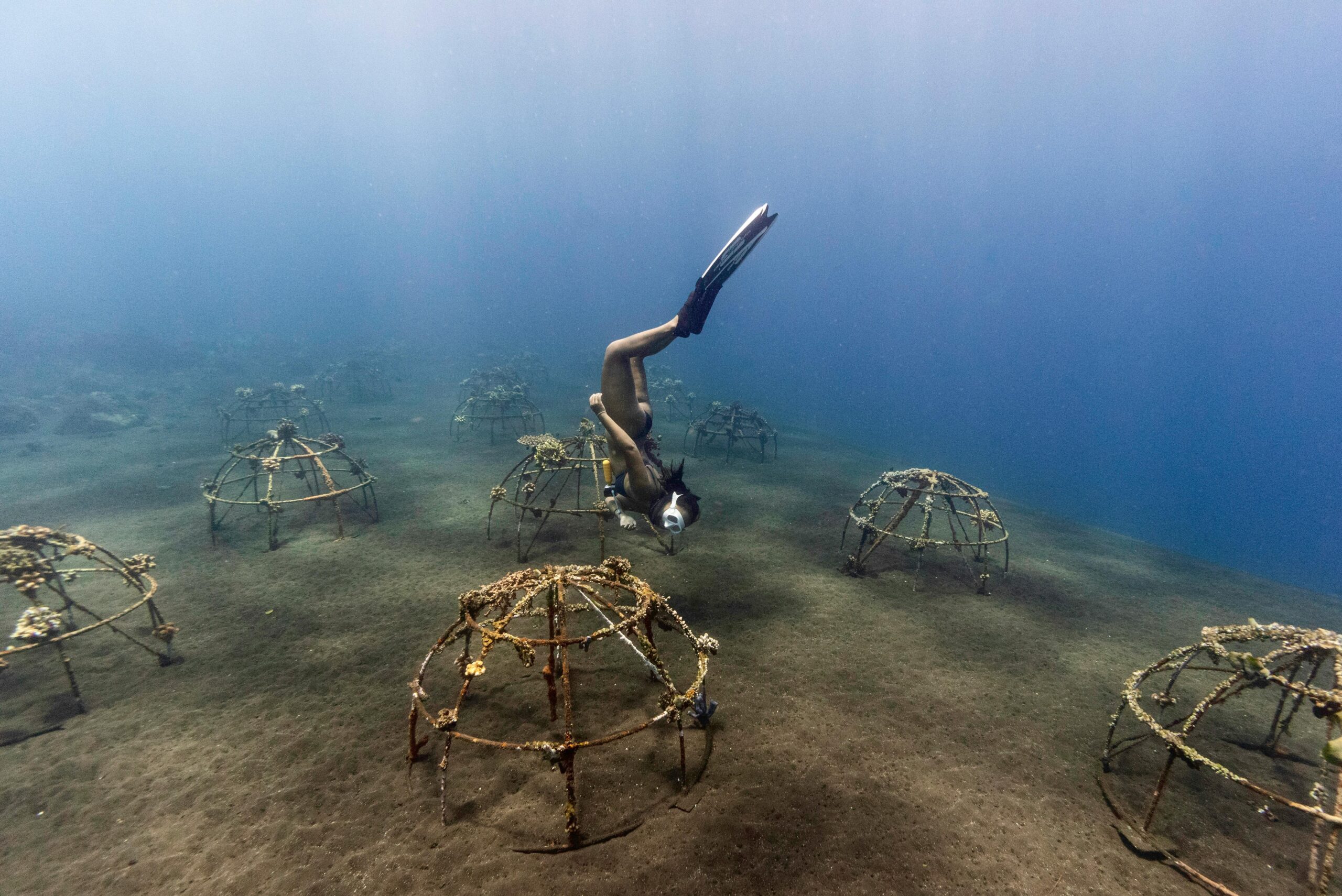
As humanity prepares to venture beyond Earth, designing zero-waste ecosystems for space colonies becomes not just an environmental choice, but a survival imperative.

🚀 The Critical Imperative of Zero-Waste in Space Habitats
Space colonization represents one of humanity’s most ambitious undertakings, and sustainability isn’t merely an ethical consideration—it’s an existential necessity. Unlike on Earth, where resources can be replenished through natural cycles, space colonies must operate within closed-loop systems where every molecule counts. The cost of transporting materials from Earth to space remains astronomical, making waste not just environmentally problematic but economically catastrophic.
Current estimates suggest that launching one kilogram of material into low Earth orbit costs between $2,000 to $10,000, and transporting it to Mars could multiply that figure tenfold. This economic reality transforms zero-waste design from a progressive ideal into fundamental engineering requirements. Every discarded item represents both lost resources and increased launch costs, creating a powerful incentive to rethink how we design, manufacture, and utilize materials in extraterrestrial environments.
The concept of zero-waste in space colonies extends beyond simple recycling. It encompasses a holistic approach to resource management that includes circular manufacturing processes, biomimetic systems that mirror Earth’s natural cycles, and innovative technologies that can transform waste products into valuable resources. These principles will not only enable long-term sustainability in space but may also provide solutions for Earth’s own environmental challenges.
♻️ Closed-Loop Life Support Systems: Engineering Perfection
At the heart of any zero-waste space colony lies the Environmental Control and Life Support System (ECLSS), which must recycle air, water, and other essential resources with near-perfect efficiency. The International Space Station currently recycles approximately 90% of water-based liquids, including urine and sweat, but future colonies will need to push this figure even higher.
Advanced closed-loop systems integrate multiple technologies working in concert. Atmospheric revitalization systems split carbon dioxide exhaled by colonists into oxygen and carbon, with the oxygen returned to breathable air and carbon utilized in manufacturing processes. Water recovery systems employ multi-stage filtration, distillation, and advanced oxidation processes to purify all liquid waste streams to potable standards.
Biological Integration in Life Support
Incorporating biological components into life support systems offers remarkable advantages. Algae bioreactors, for instance, can simultaneously purify water, consume carbon dioxide, produce oxygen, and generate biomass that serves as food or manufacturing feedstock. Spirulina and chlorella species have shown particular promise due to their high protein content and rapid growth rates in controlled environments.
These biological systems create resilient redundancy—if mechanical components fail, biological backups can maintain critical functions while repairs are made. Moreover, they require minimal energy input compared to purely mechanical systems, relying instead on LED lighting and basic nutrient supplies.
🏗️ Modular Architecture and Adaptive Materials
Zero-waste principles must be embedded in the physical infrastructure of space colonies from the ground up. Modular design philosophy enables components to be easily disassembled, reconfigured, and repurposed as colony needs evolve. Rather than demolishing and discarding obsolete structures, colonists can systematically deconstruct modules and reintegrate materials into new configurations.
This approach requires standardization of components, connection interfaces, and manufacturing specifications. Universal mounting systems, standardized electrical connections, and interchangeable structural elements allow maximum flexibility without generating waste. When a residential module needs to become laboratory space, its components can be redistributed throughout the colony rather than becoming debris.
Smart Materials and Programmable Matter
Emerging technologies in programmable matter and shape-memory alloys will revolutionize zero-waste design in space colonies. These materials can alter their physical properties—hardness, porosity, conductivity—in response to electrical signals or environmental conditions. A single panel might serve as a wall, solar collector, or transparent viewport depending on current needs.
Self-healing materials that automatically repair minor damage eliminate the need for replacement parts and reduce maintenance waste. Polymer composites embedded with microcapsules containing healing agents can seal cracks and punctures autonomously, extending structural lifespan indefinitely.
🌱 Agricultural Systems: From Farm to Table and Back
Food production in space colonies presents unique challenges and opportunities for zero-waste innovation. Vertical farming systems maximize production in minimal space while eliminating agricultural waste through careful system design. Every plant component—roots, stems, leaves—serves a purpose within the colony’s circular economy.
Aeroponic and hydroponic growing systems eliminate soil requirements while precisely controlling nutrient delivery. These systems recirculate water with 95% efficiency, and nutrient solutions can be continuously adjusted based on real-time plant needs. Sensors monitor plant health, automatically detecting diseases or deficiencies before they spread or cause crop loss.
Complete Biomass Utilization
In Earth-based agriculture, significant biomass becomes waste. Space colonies cannot afford this luxury. Non-edible plant materials undergo several processing stages to extract maximum value:
- Cellulose extraction for manufacturing biodegradable plastics and structural composites
- Fermentation to produce biofuels, industrial alcohols, and chemical feedstocks
- Digestion by insects (crickets, mealworms) to generate high-quality protein
- Composting for nutrient recovery and soil analogue production
- Pyrolysis to create biochar for filtration and carbon sequestration
This cascading utilization ensures that organic matter cycles through multiple productive uses before final mineralization and return to agricultural systems.
🔬 Advanced Manufacturing: Additive Processes and Molecular Assembly
Traditional subtractive manufacturing—cutting, drilling, grinding—generates substantial waste material. Space colonies will instead rely heavily on additive manufacturing technologies like 3D printing, which build objects layer by layer using only necessary material. This approach reduces waste to near zero while enabling on-demand production of needed items.
Metal 3D printing using sintered regolith (lunar or Martian soil) allows colonists to manufacture structural components, tools, and equipment from locally available materials. Polymer 3D printing transforms recycled plastics and bioplastics into consumer goods, spare parts, and specialized equipment. Multi-material printers can even create complex electronic devices by incorporating conductive inks and embedded components during the printing process.
Molecular-Scale Manufacturing
Looking further ahead, molecular nanotechnology promises ultimate material efficiency. Molecular assemblers could construct products atom by atom with zero waste, perfect precision, and the ability to disassemble products back to constituent atoms for complete recycling. While this technology remains developmental, its principles inform current design choices that will facilitate future implementation.
💧 Water: The Most Precious Resource
Water serves multiple critical functions in space colonies—hydration, hygiene, agriculture, industrial processes, and radiation shielding. Its versatility makes it invaluable, and its mass makes importing it prohibitively expensive. Zero-waste water management systems must achieve near-perfect recycling rates while maintaining rigorous quality standards.
Multi-barrier water treatment approaches combine physical, chemical, and biological processes to ensure safety. Forward osmosis pre-concentrates contaminants, reducing energy requirements for subsequent purification stages. Catalytic oxidation breaks down organic contaminants into simple, harmless compounds. UV sterilization eliminates biological threats without chemical additives.
Atmospheric Water Harvesting
Even in controlled environments, humidity control systems extract water from air. Rather than treating this condensate as waste, advanced systems capture and purify it for reintegration into water supplies. Similarly, metabolic water produced by colonists and biological systems through respiration and perspiration becomes feedstock for recovery systems.
Some visionary designs propose mining water ice from polar craters on the Moon or subsurface deposits on Mars. However, even with local extraction, the energy and infrastructure required make conservation and recycling paramount.
⚡ Energy Systems: Powering a Waste-Free Future
Zero-waste colonies require abundant clean energy to power recycling systems, manufacturing equipment, and life support. Solar energy remains the primary option for most locations, but energy storage and distribution must be optimized to minimize waste and maximize efficiency.
Advanced photovoltaic arrays with 40%+ efficiency convert sunlight to electricity with minimal material requirements. Thin-film solar technologies reduce mass while maintaining performance. Energy storage systems using redox flow batteries or kinetic flywheel systems avoid the degradation and disposal issues associated with traditional batteries.
Waste Heat Recovery
All energy ultimately degrades to heat, and in the vacuum of space, dissipating excess heat becomes challenging. Rather than treating waste heat as a problem, innovative designs capture it for productive purposes. Industrial processes requiring thermal energy can be strategically located to utilize waste heat from other operations. Thermoelectric generators convert temperature differentials back into electricity, recovering energy that would otherwise be lost.
🧬 Biotechnology: Living Factories and Waste Transformers
Synthetic biology enables the engineering of microorganisms that transform waste materials into valuable products. Genetically modified bacteria can consume plastic waste and excrete biodegradable polymers. Specialized fungi break down complex organic compounds while producing enzymes useful in manufacturing. Engineered algae convert carbon dioxide and waste nutrients into biofuels, pharmaceuticals, and nutritional supplements.
These biological systems operate continuously with minimal energy input, functioning as living factories that turn colony waste streams into feedstocks for other processes. Unlike mechanical systems, they can evolve and adapt to changing conditions, potentially developing new capabilities through directed evolution.
Bioremediation and Environmental Management
Biological systems also maintain environmental quality within habitats. Particular plant species excel at removing specific airborne contaminants, serving as living air filters. Aquatic plants in greywater systems strip nutrients and pollutants before water enters final purification stages. These organisms work quietly and continuously, providing essential services while requiring little maintenance.
🎯 Psychological Dimensions of Zero-Waste Living
Technical systems alone cannot achieve true zero-waste operations—the human element is equally critical. Colony inhabitants must embrace a fundamentally different relationship with materials and consumption. Everything in a space colony has known origins and destinations; the concept of “throwing something away” loses meaning when there is no “away.”
This awareness can foster profound psychological shifts. When colonists understand that their drinking water was yesterday’s wastewater and will become tomorrow’s agricultural irrigation, they develop intimate connections with resource cycles. This transparency builds conservation ethics more effectively than any policy mandate.
Cultural Adaptation and Education
Educational programs must instill zero-waste principles from early childhood. Children growing up in space colonies will internalize circular thinking as their baseline understanding of how systems work. They’ll find the Earth-based linear economy—extract, produce, consume, discard—bizarre and incomprehensible.
This cultural transformation represents one of space colonization’s most valuable contributions to humanity. Colonists returning to Earth or communicating with Earth-based populations will carry these perspectives, potentially catalyzing broader sustainability transformations.
📊 Monitoring, Metrics, and Continuous Improvement
Achieving zero-waste requires comprehensive tracking of all material flows. Advanced sensor networks monitor every resource stream in real-time, identifying inefficiencies, leaks, or optimization opportunities. Machine learning algorithms analyze patterns and suggest system adjustments to improve performance.
| Resource Category | Target Recovery Rate | Current ISS Performance | Future Colony Goal |
|---|---|---|---|
| Water | 98% | 90% | 99.5% |
| Oxygen | 95% | 88% | 98% |
| Solid Waste | 100% | 0% | 99.9% |
| Metals | 100% | 85% | 99.8% |
| Organic Matter | 100% | 15% | 99.9% |
These metrics drive accountability and innovation. When systems fall short of targets, engineers and biologists collaborate to identify root causes and implement solutions. The quest for incremental improvements becomes part of colony culture, with achievements celebrated and shared across the settlement.
🌍 Earth Applications: Lessons from Space
Technologies and approaches developed for space colonies offer transformative potential for Earth-based sustainability challenges. The extreme constraints of space force innovation that might otherwise take decades to develop. As these technologies mature, they become increasingly applicable to terrestrial contexts.
Closed-loop water systems designed for Mars could provide solutions for water-scarce regions on Earth. Energy-efficient atmospheric processing could reduce the carbon footprint of HVAC systems in buildings. Zero-waste manufacturing techniques could revolutionize industrial production, dramatically reducing pollution and resource consumption.
Economic Opportunities and Market Development
The space sustainability sector represents a burgeoning economic opportunity. Companies developing recycling technologies, closed-loop systems, and circular manufacturing processes for space applications can market these innovations to Earth-based customers. This dual-market approach accelerates development while distributing costs across broader customer bases.
Investors increasingly recognize that space sustainability technologies address Earth’s most pressing challenges. Venture capital flowing into this sector funds innovation that benefits both extraterrestrial colonies and terrestrial communities, creating a virtuous cycle of development and deployment.
🔮 Beyond Zero: Regenerative Systems and Net-Positive Impact
The ultimate goal extends beyond merely achieving zero waste—it’s creating regenerative systems that actively improve their environments. Rather than maintaining equilibrium, these systems gradually build capacity, resilience, and abundance. Surplus production gets stored against future needs, creating buffers that enhance colony security.
Regenerative approaches might involve gradually expanding agricultural capacity beyond immediate nutritional needs, banking seeds and genetic diversity. Manufacturing systems could stockpile refined materials for future construction. Energy systems might accumulate reserves during periods of peak production, enabling expansion of colony capabilities.
This abundance mindset contrasts sharply with scarcity-driven conservation. While both recognize resource limitations, regenerative thinking focuses on building systems that generate increasing returns over time. This philosophical shift transforms sustainability from defensive necessity to optimistic opportunity.
🚀 Implementation Roadmap: From Vision to Reality
Achieving fully zero-waste space colonies requires phased development across multiple decades. Initial settlements will rely heavily on Earth imports while establishing basic recycling infrastructure. As colonies mature, they’ll progressively close resource loops and develop local manufacturing capabilities.
Early-phase priorities include establishing reliable water and atmospheric recycling, developing basic agricultural systems, and creating metal recycling capabilities for critical components. Mid-phase development expands manufacturing capabilities, enhances biological systems, and achieves higher recycling rates across all material categories. Late-phase implementation completes the transition to fully closed-loop operations with minimal external inputs.
This progression requires patient investment and acceptance that perfect efficiency won’t emerge immediately. Each incremental improvement builds foundation for subsequent advances, creating momentum toward ultimate sustainability goals.

🌟 Humanity’s Sustainable Future Among the Stars
Zero-waste design for space colonies represents more than technical innovation—it embodies a fundamental reimagining of humanity’s relationship with resources and environment. The constraints of space force us to honor principles that should guide all human activity: nothing is truly waste, only resources awaiting productive application.
As we venture outward to establish permanent presence beyond Earth, we carry opportunities to build societies that exist in true harmony with their environments. These colonies won’t merely survive—they’ll thrive, demonstrating that prosperity and sustainability aren’t opposing values but complementary imperatives.
The knowledge gained, technologies developed, and cultural transformations achieved in space will ultimately benefit Earth itself. By learning to live sustainably among the stars, we discover how to sustain our home planet. The revolution in sustainability beginning in space colonies may prove to be humanity’s most valuable contribution to our own survival and flourishing across the cosmos.