The sun’s ultraviolet radiation has been a powerful evolutionary force, sculpting life on Earth for billions of years and driving remarkable biological adaptations across all domains of life.

☀️ The Dual Nature of Solar Radiation: Life-Giver and Evolutionary Pressure
Sunlight represents one of nature’s greatest paradoxes. While solar energy powers photosynthesis and sustains virtually all life on our planet, the ultraviolet component of sunlight poses significant threats to living organisms. This duality has created an evolutionary arms race spanning billions of years, where organisms continuously develop sophisticated mechanisms to harness the sun’s benefits while defending against its damaging effects.
UV radiation comprises three main categories: UVA (315-400 nm), UVB (280-315 nm), and UVC (100-280 nm). Although Earth’s ozone layer absorbs most UVC radiation, UVA and UVB still reach the surface in significant quantities. These wavelengths carry enough energy to damage DNA, proteins, and cellular membranes, making UV radiation a potent selective pressure throughout evolutionary history.
The impact of UV radiation on life has shaped everything from the molecular architecture of DNA repair systems to the pigmentation patterns of entire species. Understanding these adaptations provides crucial insights into evolution itself and offers practical applications for human health, agriculture, and biotechnology.
🧬 Molecular Shields: DNA Repair and Cellular Defense Mechanisms
At the molecular level, organisms have evolved multiple sophisticated systems to combat UV-induced DNA damage. When UV radiation strikes DNA molecules, it primarily causes the formation of thymine dimers—abnormal bonds between adjacent thymine bases that distort the DNA helix and can lead to mutations or cell death.
The evolution of DNA repair mechanisms represents one of biology’s most fundamental adaptations to UV stress. Photolyase enzymes, present in many bacteria, plants, and animals, directly reverse UV damage using energy from visible light. This elegant solution essentially uses one form of solar radiation to repair damage caused by another.
Nucleotide excision repair (NER) evolved as a more complex, multi-step process that recognizes and removes damaged DNA segments, replacing them with correct sequences. Humans possess this system, though we’ve lost the photolyase genes present in many other species. This loss may reflect evolutionary trade-offs as our ancestors developed alternative strategies, including behavioral adaptations like seeking shade.
The Evolution of Antioxidant Systems
UV radiation generates reactive oxygen species (ROS) that cause oxidative stress throughout cells. In response, organisms evolved elaborate antioxidant defense networks involving enzymes like superoxide dismutase, catalase, and glutathione peroxidase, along with molecular antioxidants such as vitamins C and E.
These systems didn’t appear overnight. Comparative genomics reveals that antioxidant enzymes evolved early in life’s history, with increasingly sophisticated variants emerging as organisms colonized environments with higher UV exposure. Marine organisms moving into shallow waters, and eventually onto land, faced escalating UV stress that drove refinement of these protective mechanisms.
🎨 Pigmentation: Evolution’s Visible Response to UV Radiation
Perhaps no UV adaptation is more visibly dramatic than the evolution of pigmentation systems. Melanin production in human skin represents one of the most studied examples of recent evolutionary adaptation, with skin color varying predictably with latitude and UV intensity.
Melanin serves multiple protective functions: it absorbs UV radiation before it penetrates deep into tissues, scavenges free radicals, and provides a physical barrier protecting cellular components. The correlation between ancestral geographic location and skin pigmentation demonstrates natural selection acting on UV exposure over thousands of generations.
Populations with ancestors from equatorial regions developed darker skin with higher melanin concentrations, providing superior protection against intense UV radiation. Conversely, populations in high-latitude regions evolved lighter skin, balancing UV protection against the need for vitamin D synthesis, which requires UVB radiation.
Beyond Human Skin: Pigmentation Across the Tree of Life
Pigment-based UV protection extends far beyond humans. Many organisms produce specialized compounds for UV protection:
- Mycosporine-like amino acids (MAAs) in marine organisms, including corals, algae, and fish, absorb UV radiation with remarkable efficiency
- Flavonoids and phenolic compounds in plants provide UV protection while also serving roles in attracting pollinators and defending against pathogens
- Carotenoids in numerous species protect photosynthetic machinery and serve as antioxidants
- Scytonemin and similar compounds in cyanobacteria, some of Earth’s oldest photosynthetic organisms
These diverse chemical solutions to UV stress evolved independently multiple times, demonstrating convergent evolution—where similar environmental pressures produce similar adaptive solutions across unrelated lineages.
🌿 Plant Adaptations: Surviving Under Direct Solar Assault
Plants face a unique evolutionary challenge: they cannot move to escape UV radiation yet require sunlight for photosynthesis. This constraint has driven remarkable adaptive innovations in the plant kingdom.
The evolution of the cuticle—a waxy coating on leaf surfaces—serves multiple functions, including UV protection. Cuticular waxes absorb and reflect UV radiation, with thickness and composition varying according to environmental UV intensity. Alpine plants exposed to intense high-altitude UV typically possess exceptionally thick cuticles.
Many plants accumulate UV-absorbing compounds in epidermal cells, creating a protective screen that shields deeper photosynthetic tissues. These compounds often absorb UV wavelengths while remaining transparent to visible light needed for photosynthesis—an elegant solution balancing protection with energy capture.
Photosynthetic Machinery and UV Stress
Photosystem II, the protein complex responsible for splitting water molecules during photosynthesis, is particularly vulnerable to UV damage. Plants have evolved rapid repair mechanisms for PSII components, with damaged proteins quickly degraded and replaced. This continuous repair cycle requires significant energy investment but allows photosynthesis to continue under UV stress.
Some plants evolved UV-induced morphological changes, producing thicker leaves with altered cell arrangements in high-UV environments. This plasticity—the ability to modify development in response to environmental conditions—represents an adaptive strategy allowing single genotypes to thrive across varying UV intensities.
🐠 Aquatic Adaptations: UV Protection in Marine and Freshwater Ecosystems
Water provides some UV protection through absorption, but organisms in transparent freshwater bodies and shallow marine environments still face significant UV exposure. The evolution of UV adaptations in aquatic organisms reveals fascinating solutions to this challenge.
Many aquatic organisms produce mycosporine-like amino acids (MAAs), compounds with exceptional UV-absorbing properties. These molecules likely evolved early in life’s history, with genes for MAA synthesis found across bacteria, algae, and some animals. Interestingly, many marine animals cannot synthesize MAAs themselves but obtain them through diet, establishing ecological relationships centered on UV protection.
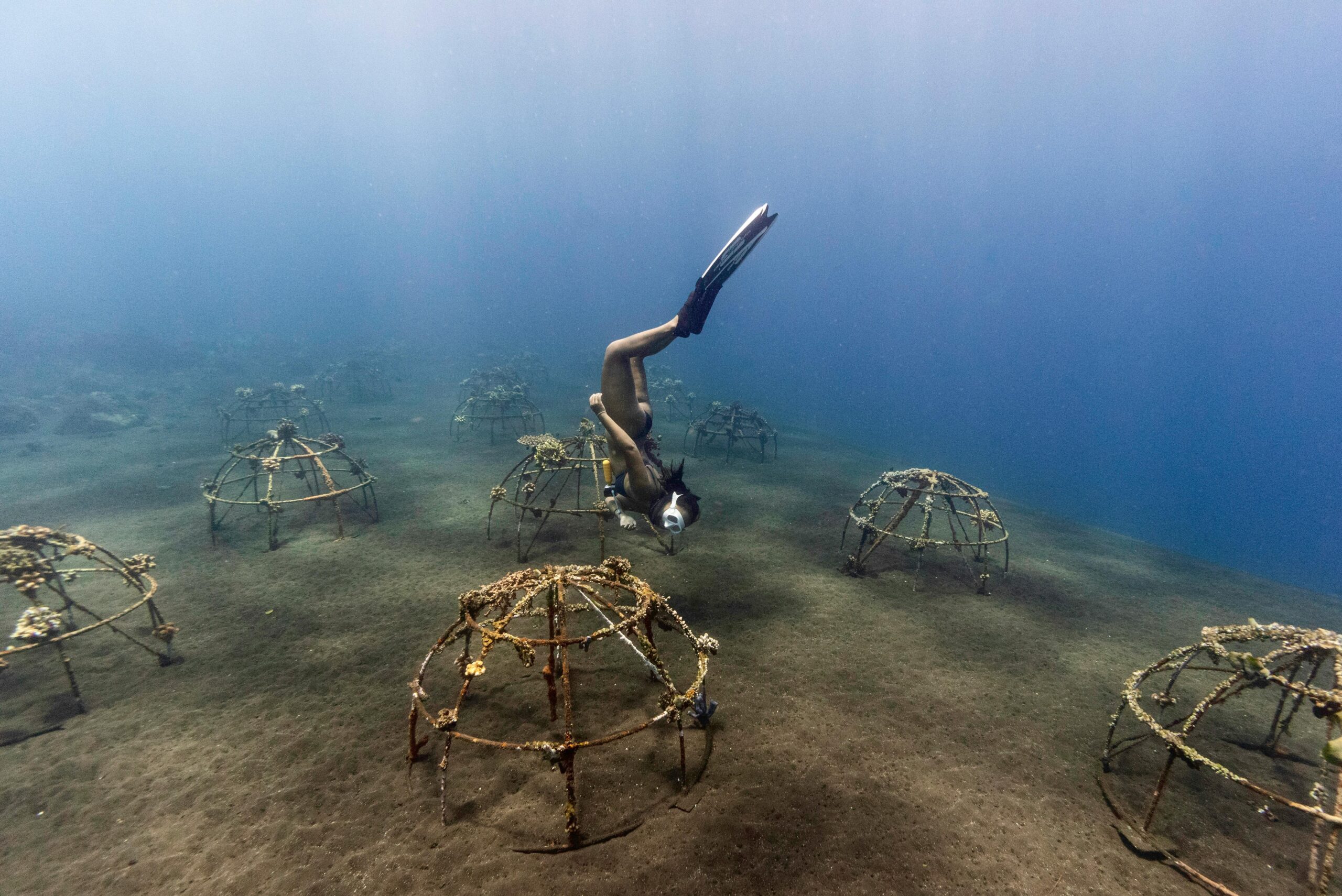
Coral reefs demonstrate complex UV adaptation strategies. Symbiotic zooxanthellae algae living within coral tissues produce UV-protective compounds that benefit both partners. Some corals also fluoresce, with fluorescent proteins potentially dissipating UV energy harmlessly. The evolution of coral-algal symbioses may have been partly driven by mutual UV protection benefits.
Fish and UV Vision
While UV radiation poses threats, some aquatic organisms evolved to exploit UV wavelengths for vision. Numerous fish species possess UV-sensitive photoreceptors, using UV vision for foraging, mate selection, and predator avoidance. This represents evolutionary opportunism—turning an environmental challenge into an adaptive advantage.
The presence or absence of UV vision correlates with habitat characteristics. Fish in UV-transparent environments more commonly possess UV vision, while species in UV-absorbing waters often lose this ability, demonstrating ongoing evolutionary responses to local conditions.
🦎 Behavioral Adaptations: Evolution of UV-Avoidance Strategies
Not all UV adaptations are molecular or physiological. Behavior represents a powerful adaptive tool, with many organisms evolving sophisticated UV-avoidance strategies that complement physical protections.
Circadian rhythms—the internal biological clocks regulating daily activity patterns—evolved partly in response to the day-night cycle of UV exposure. Many organisms restrict activity to dawn, dusk, or nighttime, avoiding peak UV intensity. This behavioral adaptation appears across diverse taxa, from insects to mammals.
Some animals evolved the ability to detect UV radiation directly, allowing active avoidance. Certain insects perceive UV wavelengths, enabling them to seek shade when UV intensity becomes dangerous. This sensory capability likely evolved multiple times independently, again demonstrating convergent evolution.
Habitat Selection and UV Gradients
Organisms often select microhabitats based on UV exposure levels. Amphibians, whose permeable skin makes them particularly vulnerable to UV damage, preferentially choose breeding sites with UV protection from vegetation or water depth. This habitat selection behavior has genetic components, indicating evolutionary adaptation.
Migration patterns in some species may partly reflect UV exposure optimization. Birds migrating to breed at high latitudes during summer months face extended daylight and elevated UV exposure, requiring enhanced protective mechanisms that vary seasonally.
🧪 The Ozone Layer and Evolutionary History
Earth’s ozone layer, which absorbs most incoming UVC and much UVB radiation, fundamentally shaped the evolution of terrestrial life. Before significant atmospheric oxygen and ozone accumulated approximately 2.4 billion years ago during the Great Oxidation Event, surface UV radiation would have been lethal to most modern organisms.
Early life likely evolved in aquatic environments where water provided UV protection. The colonization of land became possible only after the ozone shield developed, reducing surface UV to manageable levels. This represents one of evolution’s grand transitions—the movement from water to land—enabled partly by planetary-scale atmospheric changes.
Periodic ozone depletion events throughout Earth’s history may have driven evolutionary innovation. Some mass extinctions show patterns consistent with elevated UV stress, potentially selecting for organisms with superior UV protection and accelerating adaptive evolution in surviving lineages.
Modern Ozone Depletion: Evolution in Real-Time
Contemporary ozone depletion caused by human-produced chemicals provides an unintended experiment in rapid evolutionary response. Studies in areas with enhanced UV exposure, such as near the Antarctic ozone hole, document measurable evolutionary changes in phytoplankton, amphibians, and other organisms over just decades.
These observations demonstrate that UV-driven evolution continues today, with selection pressures shifting as human activities alter Earth’s UV environment. Understanding these ongoing processes is crucial for predicting ecological consequences of environmental change.
🔬 Medical and Biotechnological Applications of UV Adaptation Research
Understanding evolutionary adaptations to UV radiation yields practical benefits for medicine and biotechnology. DNA repair mechanisms discovered through evolutionary research inform cancer therapies, as many cancers involve defective DNA repair systems similar to those that evolved to handle UV damage.
UV-protective compounds from organisms represent promising sources for sunscreens and cosmetics. MAAs from marine organisms, for instance, provide broad-spectrum UV protection without some limitations of synthetic compounds. Biotechnology firms are developing ways to produce these natural UV protectants at commercial scales.
Agricultural applications include engineering enhanced UV tolerance into crops, particularly important as climate change and ozone variability affect UV exposure in farming regions. Understanding how wild plants evolved UV resistance provides genetic tools for improving cultivated varieties.
🌍 UV Radiation and the Search for Extraterrestrial Life
UV adaptation research informs astrobiology and the search for life beyond Earth. Planets orbiting different star types receive varying UV spectra, affecting the evolutionary pressures shaping potential life. Red dwarf stars, for instance, produce less UV than our Sun, while young stars emit intense UV radiation.
Understanding Earth’s UV adaptations helps scientists predict what biosignatures might indicate life on exoplanets with different UV environments. Pigments and atmospheric gases produced by UV-adapted organisms could potentially be detected through spectroscopic analysis of distant worlds.
Extreme UV-resistant organisms on Earth, such as certain bacteria surviving conditions once thought uninhabitable, expand our conception of where life might exist. These extremophiles demonstrate that evolution can produce solutions to challenges previously considered insurmountable.
⚡ The Continuing Dance Between Sun and Life
UV radiation’s role in shaping evolution represents an ongoing process, not a completed chapter. Climate change, ozone dynamics, and human activities continue altering Earth’s UV landscape, driving contemporary evolutionary responses observable within human lifetimes.
Organisms today face novel UV challenges, including interactions between UV exposure and pollution, habitat fragmentation affecting access to UV refuge, and rapid environmental changes outpacing traditional adaptation timescales. These pressures may favor organisms with high genetic diversity, behavioral flexibility, or rapid reproduction allowing faster evolutionary responses.
The relationship between UV radiation and life exemplifies evolution’s creative power. From molecular repair systems to behavioral avoidance strategies, from pigmentation patterns to photosynthetic innovations, the adaptations driven by solar UV demonstrate how environmental challenges become engines of biological diversity. As we face environmental changes affecting UV exposure globally, understanding these evolutionary processes becomes increasingly important for conservation, agriculture, medicine, and our fundamental comprehension of life itself.
The sun that threatens also enables, and in navigating this duality, life has produced some of evolution’s most elegant solutions. This continuing dialogue between radiation and adaptation reminds us that evolution never stops—it simply writes new chapters in the ancient story of life under our dynamic star.