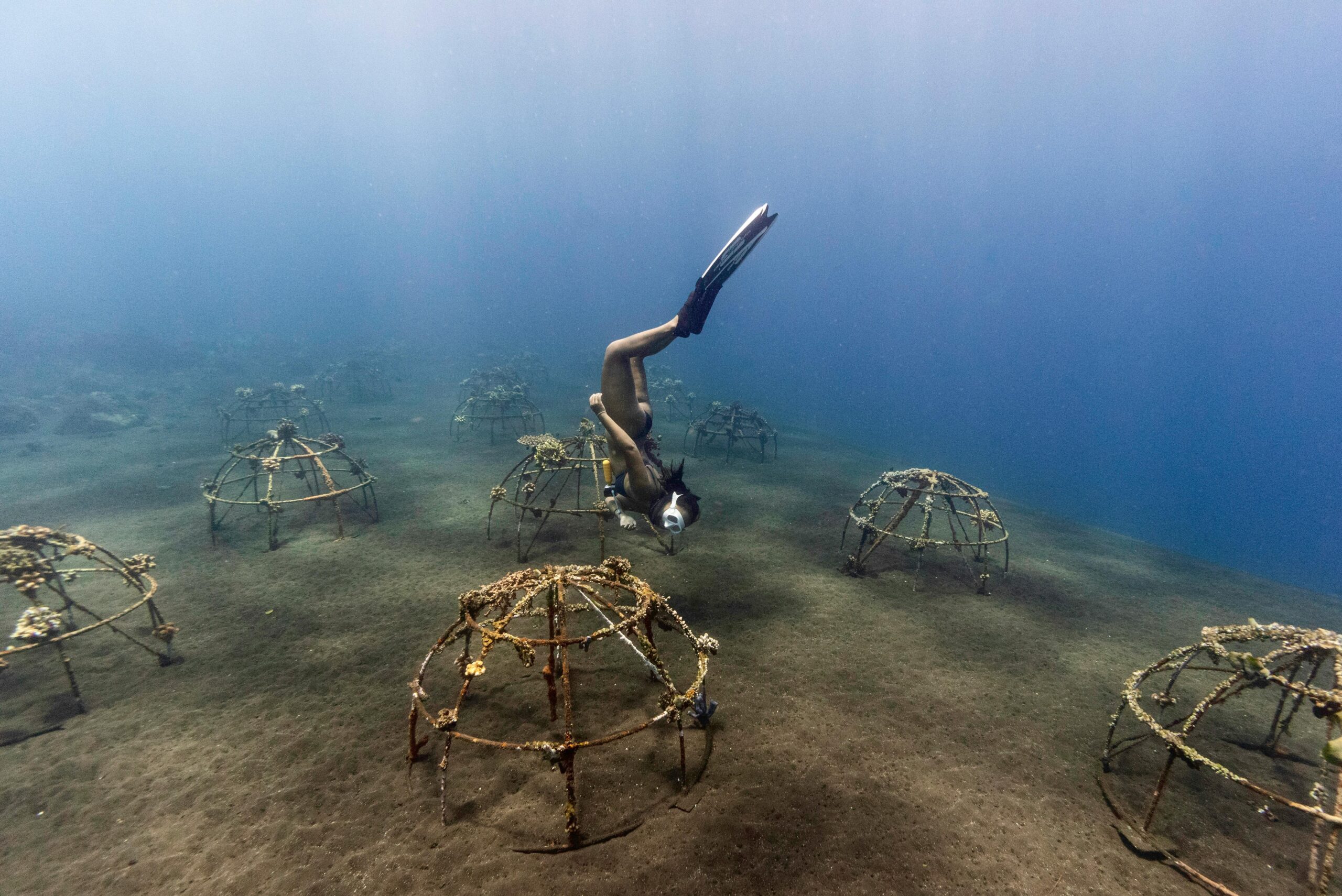
Terraforming represents humanity’s boldest ambition: reshaping entire worlds to sustain life. Yet this cosmic dream raises profound questions about ecological responsibility and moral boundaries.

🌍 The Grand Vision of Planetary Engineering
Since humans first gazed at the stars, we’ve imagined making distant worlds our home. Terraforming—the theoretical process of deliberately modifying a planet’s atmosphere, temperature, and ecology to make it habitable—has evolved from pure science fiction into a subject of serious scientific inquiry. Mars, with its relative proximity and ancient water-scarred surface, stands as the primary candidate for humanity’s first terraforming experiment.
The concept isn’t merely about survival or expansion. It represents a fundamental shift in our relationship with planetary systems. Where we once adapted to environments, terraforming proposes that we might adapt environments to us. This paradigm shift brings unprecedented technological possibilities alongside equally unprecedented ethical dilemmas.
Contemporary discussions about terraforming have gained urgency as Earth faces mounting environmental challenges. Climate change, resource depletion, and biodiversity loss have transformed planetary engineering from abstract speculation into practical consideration. If we can theoretically terraform Mars, some argue, perhaps we possess the capability to restore Earth’s deteriorating ecosystems.
🔬 The Science Behind World-Building
Terraforming requires mastery over planetary-scale processes that currently exceed our technological capabilities. The fundamental approach involves several interconnected phases, each presenting distinct challenges and requiring centuries or millennia to complete.
Atmospheric Reconstruction and Climate Control
Creating a breathable atmosphere represents terraforming’s primary challenge. Mars, for instance, possesses an atmosphere only 1% as dense as Earth’s, composed mainly of carbon dioxide. Theoretical proposals suggest releasing greenhouse gases to warm the planet, melting subsurface ice to create water vapor, and introducing photosynthetic organisms to generate oxygen over generations.
Temperature regulation demands sustained effort. Proposals range from orbiting mirrors to redirect sunlight, to deliberately darkening polar ice caps with heat-absorbing materials, to manufacturing massive quantities of greenhouse gases. Each approach carries profound implications for energy requirements, timeline feasibility, and unintended consequences.
Water Systems and Hydrological Cycles
Water represents life’s essential ingredient. Mars contains substantial frozen water at its poles and beneath its surface. Terraforming would require melting and redistributing this water, establishing oceans, rivers, and precipitation cycles. This process fundamentally depends on atmospheric pressure and temperature reaching thresholds where liquid water remains stable on the surface.
Establishing sustainable hydrological cycles involves more than simply melting ice. It requires creating the conditions for evaporation, condensation, and precipitation—processes intrinsically linked to atmospheric composition, planetary temperature, and surface geography. These interconnected systems must achieve self-sustaining equilibrium, or terraforming efforts will require perpetual human intervention.
⚖️ Navigating the Ethical Minefield
Terraforming raises ethical questions that challenge our fundamental assumptions about humanity’s place in the cosmos. These dilemmas extend far beyond technical feasibility into philosophy, morality, and our responsibilities to potential future generations.
The Rights of Pristine Worlds
Does an uninhabited planet possess intrinsic value deserving protection? The concept of “planetary protection” suggests celestial bodies merit preservation in their natural state, both for scientific study and for their own sake. Mars might harbor extinct or even extant microbial life beneath its surface. Terraforming could obliterate these organisms before we discover them, destroying unique biological information that evolved independently of Earth’s biosphere.
Some ethicists argue that planets represent irreplaceable natural laboratories, offering insights into planetary formation, geological processes, and potentially the origins of life itself. Transforming Mars into an Earth-like world would erase four billion years of Martian geological and potentially biological history. This represents an irrevocable act with implications spanning cosmic timescales.
Intergenerational Justice and Long-Term Commitment
Terraforming projects would span centuries or millennia, requiring sustained commitment across dozens or hundreds of human generations. What right does the current generation possess to initiate such projects, binding future generations to complete or maintain them? The immense resource investment could divert attention and funding from pressing Earth-bound concerns like poverty, disease, and environmental restoration.
Conversely, failing to pursue terraforming might represent a different ethical failure—denying future generations potential refuge from Earth-based catastrophes or limiting humanity’s long-term survival prospects. This tension between present responsibilities and future possibilities creates genuine moral complexity without clear resolution.
🌱 Ecological Considerations and Planetary Stewardship
The ecological dimensions of terraforming extend beyond technical challenges into fundamental questions about ecosystem design, stability, and our capacity for planetary-scale environmental management.
Engineering Self-Sustaining Biospheres
Creating functional ecosystems from scratch represents biology’s ultimate challenge. Earth’s ecosystems evolved over billions of years through complex interactions between countless species, geological processes, and climatic conditions. Terraformed worlds would require intentionally designed ecosystems capable of self-regulation, nutrient cycling, and evolutionary adaptation.
Which species should we introduce, and in what order? Simple organisms like bacteria, algae, and lichens would necessarily precede complex plants and animals. Yet determining optimal species assemblages, predicting ecological interactions, and ensuring system resilience against collapse demands ecological knowledge we may not yet possess. Our track record with smaller-scale ecosystem manipulation—from introduced species disasters to failed closed-system experiments like Biosphere 2—suggests humility regarding our planetary engineering capabilities.
The Lessons from Earth’s Environmental Crisis
Ironically, humanity contemplates terraforming distant planets while struggling to maintain Earth’s habitability. Climate change, deforestation, ocean acidification, and mass extinction events demonstrate our imperfect understanding of planetary systems and our capacity for large-scale environmental damage despite good intentions.
These failures offer crucial lessons for terraforming aspirations. They highlight the importance of understanding complex feedback loops, the difficulty of predicting long-term consequences, and the dangers of prioritizing short-term benefits over systemic stability. If we cannot successfully manage Earth’s environment—a planet already optimized for our survival—how can we responsibly claim the ability to engineer entirely new biospheres?
🚀 Technological Realities and Timeframe Challenges
The vast gap between theoretical proposals and practical implementation capabilities defines current terraforming discussions. While we can conceptualize planetary engineering, executing these visions remains far beyond present technological reach.
Energy Requirements and Resource Constraints
Terraforming demands energy expenditure on scales dwarfing current human civilization’s entire energy production. Warming Mars, thickening its atmosphere, and maintaining these conditions would require sustained energy investment for centuries. Current proposals rely on technologies—fusion power, antimatter engines, stellar-scale engineering—that remain theoretical or in nascent development stages.
Resource requirements present equally daunting challenges. Manufacturing greenhouse gases, transporting materials between planets, establishing self-sufficient colonies to oversee terraforming processes, and maintaining these efforts across generations would demand economic and industrial capabilities orders of magnitude beyond current capacities.
The Human Element: Colonies and Commitment
Terraforming requires permanent human presence on target worlds, raising questions about who would undertake these missions and under what conditions. Early colonists would face harsh environments, isolation from Earth, and responsibility for projects extending far beyond their lifetimes. Ensuring these communities’ sustainability—both physically and psychologically—represents a distinct challenge from the planetary engineering itself.
Historical colonization provides troubling precedents involving exploitation, inequality, and cultural destruction. Establishing extraterrestrial colonies risks replicating these patterns. Who governs terraforming projects? Who benefits from transformed worlds? How do we prevent recreating Earth’s historical injustices on cosmic scales?
🔮 Alternative Approaches and Intermediate Solutions
Rather than full-scale terraforming, alternative strategies might offer more achievable and ethically defensible paths toward expanded human presence beyond Earth.
Paraterraforming and Contained Environments
Paraterraforming—creating habitable enclosed environments on otherwise inhospitable worlds—might provide practical alternatives to planetary-scale modification. Large pressurized domes, underground caverns, or canyon-spanning structures could offer Earth-like conditions without altering entire planetary atmospheres.
This approach minimizes ethical concerns about destroying pristine environments while remaining technologically achievable with foreseeable capabilities. It allows humans to inhabit other worlds while preserving those worlds’ natural states for scientific study and respecting any potential intrinsic value they possess.
Bioforming and Adaptive Evolution
Rather than transforming planets to suit humans, perhaps we might adapt humans to suit planets. Genetic engineering, cybernetic enhancement, or gradual evolutionary adaptation across generations could theoretically produce humans comfortable in low-gravity, low-pressure, or high-radiation environments without requiring planetary-scale modifications.
This approach inverts terraforming’s basic premise, raising different but equally profound ethical questions about human identity, genetic modification rights, and acceptable alterations to human nature itself.
🌟 Finding Balance Between Dreams and Responsibilities
The terraforming debate ultimately reflects deeper questions about humanity’s cosmic role and our relationship with nature. Are we gardeners, called to spread life throughout a sterile universe? Or are we merely one species among billions, possessing no special mandate to remake entire worlds in our image?
Perhaps the answer lies not in absolutes but in graduated approaches respecting both our exploratory impulses and our ethical obligations. We might pursue planetary science vigorously, establish small-scale research outposts, develop paraterraforming capabilities, and continue theoretical research into large-scale planetary engineering—all while maintaining strict planetary protection protocols and refusing to initiate irreversible changes without broader consensus.
Developing Ethical Frameworks for Cosmic Stewardship
Moving forward requires developing robust ethical frameworks addressing terraforming’s unique challenges. These frameworks must balance multiple considerations: scientific knowledge advancement, humanity’s long-term survival, potential extraterrestrial life protection, preservation of natural planetary states, intergenerational justice, and practical feasibility.
International cooperation becomes essential. No single nation should decide whether to terraform another world. Such decisions require global consensus, incorporating diverse cultural perspectives, scientific expertise, and ethical traditions. The United Nations’ Outer Space Treaty provides a foundation, but much more detailed governance structures would be necessary before terraforming becomes practically achievable.
The Mirror Mars Holds to Earth
Ultimately, terraforming discussions reveal as much about our relationship with Earth as our ambitions for other worlds. The same technologies and knowledge required for planetary engineering might restore Earth’s degraded ecosystems, reverse climate change, and establish sustainable relationships with our home planet’s biosphere.
Perhaps humanity’s first successful “terraforming” project should focus not on Mars but on re-terraforming Earth—healing the environmental damage we’ve caused and demonstrating our capacity for responsible planetary stewardship before presuming to engineer entirely new worlds.

🌈 Charting a Sustainable Path Forward
The path toward potentially terraforming other worlds must balance ambitious vision with cautious responsibility. We should continue researching planetary science, developing relevant technologies, and exploring ethical frameworks while refusing to rush into irreversible planetary modifications before fully understanding their implications.
This balanced approach honors both humanity’s exploratory spirit and our obligations to preserve the universe’s natural wonders. It acknowledges terraforming’s potential value for long-term human survival while respecting the profound ethical and ecological complexities involved. Most importantly, it emphasizes learning from our environmental mistakes on Earth rather than replicating them on cosmic scales.
The terraforming debate transcends technical questions about atmospheric engineering or biotechnology. It challenges us to define what kind of cosmic citizens we aspire to become—conquerors remaking the universe in our image, or thoughtful participants respecting the intrinsic value of natural systems while carefully considering our place within the broader cosmic community.
As we stand at the threshold of potentially becoming a multi-planetary species, the choices we make regarding terraforming will define humanity’s legacy across astronomical timescales. By approaching these decisions with humility, wisdom, and careful attention to both practical realities and ethical responsibilities, we maximize our chances of creating a truly sustainable future—both on Earth and potentially among the stars.